Cases
The work that sits with one person and takes too long.
Eight examples of back-office work that agents take over, and what changes when it runs. Each one starts as a thirty-day experiment on one process, coupled to your systems, sovereign where it matters.
The quote that takes weeks because one person builds it by hand.
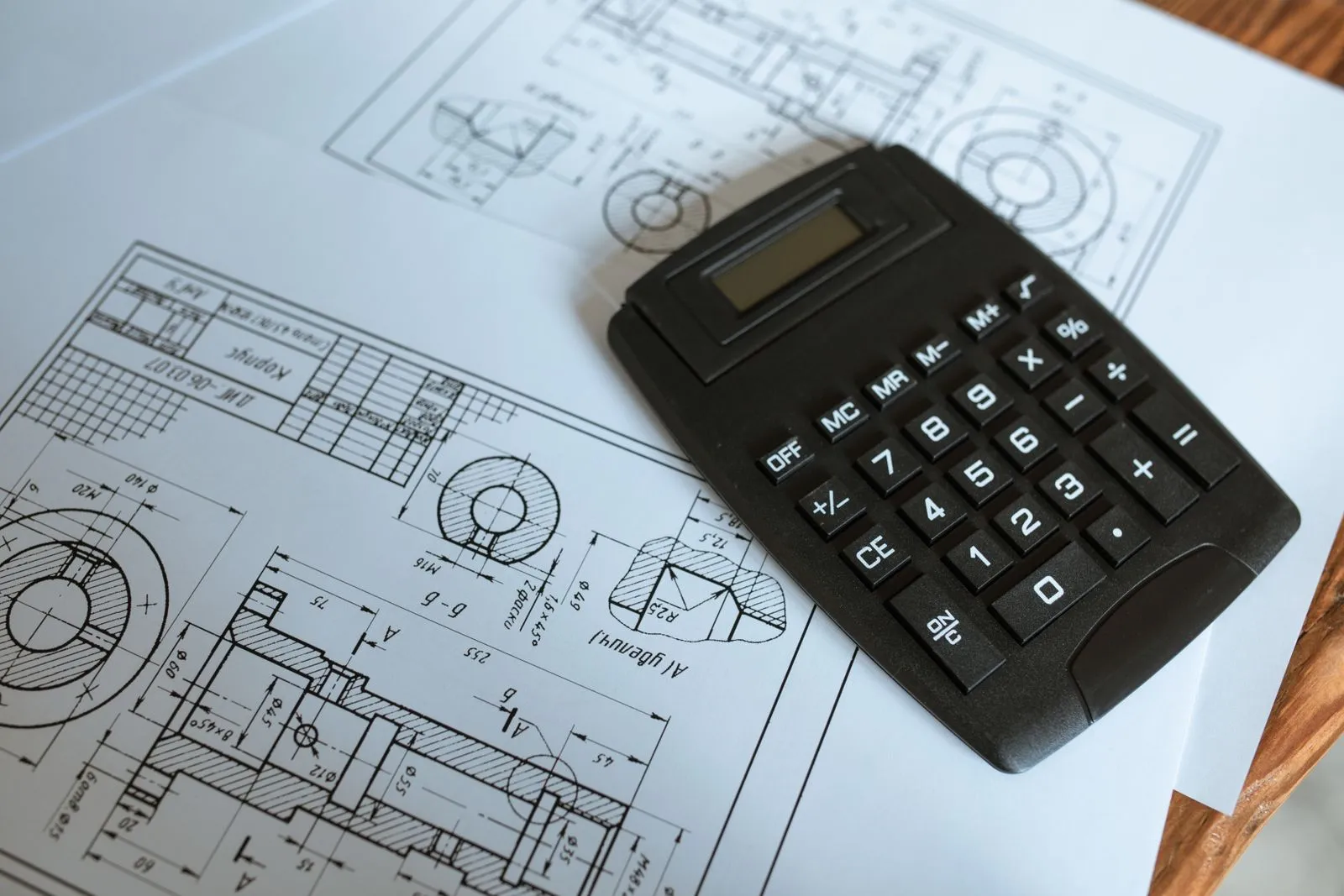
The agent prepares it from the drawing, the history and the price list; your estimator decides and sends. Quotes go out while the customer is still asking, the estimator spends the day on the hard ones, and what they know is written down instead of carried in their head.
The order that arrives as an email or a PDF and is typed over by hand.

The agent reads it, enters it in your ERP and puts the doubtful cases in front of a person. Less retyping, fewer errors that surface at the invoice, and the order is in the system the hour it arrives, not at the end of the day.
The answer that costs half a day because it sits in three systems and two heads.
The agent gathers it from your ERP, your spreadsheets and your documents, and shows its sources. Whoever asks has it in minutes; whoever knew it is no longer interrupted.
The work order that a planner builds from the drawing by hand, operation by operation.

The agent proposes it from the drawing, the material and earlier orders of the same kind; your planner approves and adjusts. The planner starts from a proposal instead of an empty screen, repeat work takes minutes, and the attention goes to the new work.
The delivery confirmation or change from a supplier that sits in the mailbox.

The agent reads it, puts the new date or quantity in your ERP and flags to a person what touches the schedule. A delay is known the hour the email arrives, not when the parts fail to show up, and the planner hears it before the shop floor does.
The rejection or complaint that comes in as an email and is only a complete file days later.

The agent opens the file, pulls in the order, the drawing and the inspection report, and puts the question in front of your quality engineer. The file is complete on the day of the report, and what goes wrong more often becomes visible because it is now written down.
The question "when is my order ready" that lands with the planner every time.

The agent gives the status from your ERP and your schedule, and says what it is waiting on. The customer and the salesperson have the answer without disturbing the planner; the planner plans.
The purchase invoice that is matched to the order and the receipt by hand.

The agent lays invoice, order and receipt side by side, books what matches and puts the difference in front of a person. What matches is booked the same day; the administration only looks at the exceptions.

How it starts.
One process, thirty days, a fixed price. We sit with the people who do the work, build the agents that one process needs, and it goes live on your real work, sovereign where it matters, with your people steering. What we measure goes to the lab page, with date and source.